Fishing Caps
( number of products: 7 )Fishing Caps Taimen – Comfort and Style by the Water
Fishing caps are an essential part of every angler's gear. They protect against the sun, wind, and cold while ensuring comfort during long hours spent by the water. The brand Taimen offers a wide selection of caps designed with anglers' needs in mind, combining functionality and attractive design.
Variety of Taimen Fishing Caps
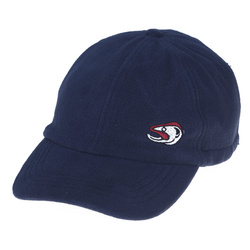
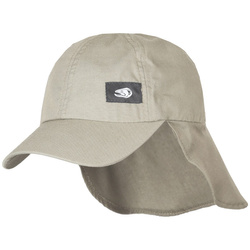
Our offer features visor caps that provide excellent protection against the sun and reflections on the water. Available are trucker models with mesh for breathability—ideal for warm days—as well as classic caps with a full back. We also offer warm fleece and woolen caps, which are perfect for cooler conditions, providing protection against cold and wind.
Key Features of Taimen Fishing Caps:
- Sun Protection – visor caps protect eyes and face from UV radiation and reflections.
- Thermal Comfort – warm fleece and woolen caps keep you warm on chilly days.
- Breathability – trucker models with mesh ensure excellent air circulation.
- Adjustable Fit – most caps have adjustable fastenings for a perfect fit.
- Stylish Design – attractive patterns and colors allow you to express your individual style.
Synonyms for Fishing Caps – Match Your Headgear to Your Needs
We offer a variety of headgear, such as baseball caps, visor caps, winter caps, fleece caps, and woolen caps. Regardless of weather conditions, you will find the right cap with us that provides comfort and protection while fishing.
Why Choose Taimen Fishing Caps?
- High Quality Materials – durable and comfortable fabrics.
- Functionality – practical solutions like mesh in trucker models or warm linings in winter caps.
- Style and Design – modern designs that match the rest of your fishing apparel.
- Fit – adjustable fastenings and a variety of sizes.
Summary
By choosing fishing caps from Taimen, you invest in comfort, protection, and style by the water. Whether you need a breathable visor cap for hot days or a warm fleece cap for chilly mornings, our offer will meet your expectations. Opt for quality and experience that will make every fishing trip even more enjoyable.