Fishing Bags
( number of products: 10 )Taimen Fishing Bags – Reliable Solutions for Every Angler
Fishing bags are an essential part of every angler's gear. They facilitate the transport and storage of equipment, protecting it from damage and weather conditions. The Taimen brand offers a wide selection of fishing bags and backpacks designed to meet the needs of both novice and experienced anglers.
Waterproof Bags and Backpacks – Complete Equipment Protection
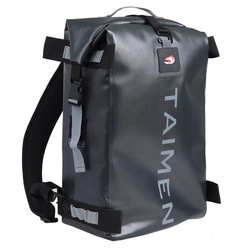
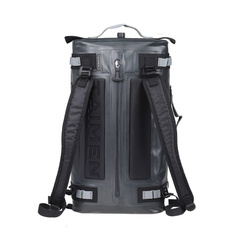
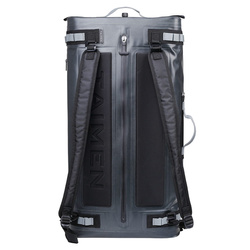
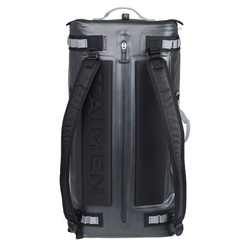
In our offer, you'll find completely waterproof bags made from durable PTU material, available in various sizes. With them, your gear will stay dry even in the toughest conditions. Waterproof backpacks are perfect for anglers who need to keep their hands free while wading through water or navigating difficult terrain.
Bags for Reels and Rods – Your Gear's Safety
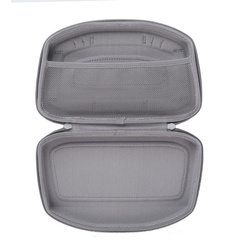
We also offer bags made from durable materials, designed for storing reels, rods, and other accessories. A solid construction and proper interior padding provide protection against mechanical damage during transport.
Wading Boots and Waders Bags – Comfort and Functionality
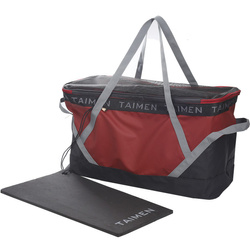
Specially designed bags for wading boots and waders allow for convenient storage and transport of wet gear, preventing soiling of other items. Made from moisture-resistant materials that are easy to clean, they are essential for every wading angler.
Key Features of Taimen Fishing Bags:
- Waterproofness – bags made from PTU guarantee complete protection against water.
- Durability – sturdy materials and strong seams ensure long-lasting use.
- Functionality – thoughtful solutions, such as adjustable straps and numerous pockets, facilitate gear organization.
- Variety of Sizes – bags and backpacks are available in various sizes to meet individual needs.
- Equipment Protection – special bags for reels, rods, and accessories protect against mechanical damage.
Synonyms for Fishing Bags – Match the Solution to Your Needs
In our offer, you'll find a variety of products such as fishing backpacks, transport bags, rod cases, reel pouches, and accessory bags. This allows you to choose the solution that best meets your requirements.
Why Choose Taimen Fishing Bags?
- Quality of workmanship – sturdy materials and precise finishing guarantee durability.
- Practicality – functional solutions make organizing and transporting gear easier.
- Equipment Protection – bags designed to protect your equipment from water and damage.
- Aesthetics – modern design and attractive appearance of products.
Summary
By choosing fishing bags from the Taimen brand, you are investing in reliable solutions that will make every fishing trip easier for you. Whether you need a waterproof backpack, a bag for reels, or a rod case, you will find a product that meets your expectations in our offer. Opt for quality and functionality that will provide you with comfort and safety while fishing.