
Wading Jackets
( number of products: 12 )Fishing Jackets – Essential in Harsh Conditions
Fishing jackets are an indispensable piece of equipment for every angler who values comfort and protection while fishing in difficult weather conditions. With them, you can focus on fishing without worrying about rain, wind, or low temperatures. A properly chosen jacket not only ensures waterproofing but also breathability, which is crucial during long trips by the water. In our offer, you will find jackets from Taimen, which combine the highest quality of workmanship with functionality, meeting the expectations of even the most demanding anglers.
Why Invest in a Wading Fishing Jacket?
These jackets are specially designed to meet the needs of anglers wading in water. Made from high-quality materials, such as three-layer membranes, they guarantee 100% waterproofing and protection against wind. The high breathability of the material allows moisture to escape, keeping you dry and comfortable even during intense activity.
Key Features of a Fishing Jacket:
- Multi-layer Membrane – provides excellent protection against water and wind while allowing the skin to breathe.
- Functional Pockets – a large number of pockets, including side pockets lined with microfiber and zipped, allow for storing essential accessories, such as tackle boxes or electronics.
- Stowable Hood – protects against rain and wind, and when not needed, it can be tucked away, increasing user comfort.
- Accessory Clips – special attachments allow for easy fastening of your wading rod, net, or other essential tools.
- High Breathability – prevents overheating, which is especially important during active fishing.
How to Choose the Right Wading Jacket?
- Material – choose jackets made from durable and breathable materials that provide protection against weather conditions. In our offer, you will find jackets from Taimen, known for their high quality and advanced technologies.
- Functionality – check the number and placement of pockets and the availability of accessory clips to ensure the jacket meets your individual needs.
- Fit – the jacket should fit properly, not restrict movement, and allow for easy handling of fishing gear.
Additional Benefits of Having a Wading Fishing Jacket:
- Increased Durability – high-quality materials and solid construction ensure resistance to mechanical damage and abrasions.
- Practicality – special pockets and clips allow you to have all necessary accessories at hand.
- Aesthetics – modern design combines functionality with an attractive appearance, allowing you to look professional by the water.
Summary
Investing in a high-quality wading fishing jacket gives you the comfort and protection that translates into better results while fishing. Whether you are fishing in the rain, strong wind, or low temperatures, the right jacket will allow you to focus on your passion without worrying about the weather conditions. By choosing a jacket with many functional solutions, such as numerous pockets and accessory clips, you will ensure comfort and efficiency during every trip.
Remember:
- Comfort and safety are key when fishing in harsh conditions.
- Quality of materials affects the durability and functionality of the jacket.
- Individual fit of the jacket increases comfort and freedom of movement.
By choosing a Taimen fishing jacket, you invest in your comfort and success by the water.




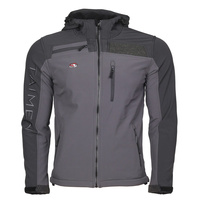




Taimen Arigiin softshell Jacket - Turbulence


 + 1Opcji

