Fly fishing equipment, flies and clothing
( number of products: 516 )Fly fishing uses the mass of a fly line to deliver an artificial fly, so a useful outfit begins with the intended presentation rather than with the fish alone. Dry-fly fishing, nymphing, stillwater fishing and casting large streamers place different demands on the rod, line, leader and fly. Wading depth, weather and the way equipment is carried then determine the clothing and accessories needed around that core outfit.
This section brings together fly rods, fly reels, fly lines, leaders, tippet and backing, fishing flies, wading equipment and practical accessories. The guide below explains how those parts work together.
Build the outfit from the presentation backwards
Begin with the fly and the water. A small dry fly presented on a sheltered stream needs controlled turnover and a light landing. A weighted nymph rig needs line and leader control. A bulky pike fly creates air resistance even when it is not especially heavy, while a stillwater cast may need to handle several line densities during one day. Once the presentation is clear, choose a line capable of making it, a rod suited to that line and a reel with the required capacity and balance.
Target species still matters. It affects hook strength, tippet diameter, drag range and the reserve of power used during the fight. It should not, however, be the only selection rule. A small fish pursued with a large, wind-resistant fly may require a more powerful casting outfit than a larger fish taken on a fine, easily delivered pattern.
The five connected parts of a fly-fishing outfit
- The fly establishes the presentation, outline, weight and air resistance that the outfit must handle.
- The leader and tippet transfer energy from the fly line, create the final presentation and provide the required balance of diameter, strength and discretion.
- The fly line supplies the casting mass. Its line weight, head length, taper and density affect loading, turnover and fishing depth.
- The rod stores and releases energy under the load of the line. Length, action, power and handle arrangement influence casting and line control.
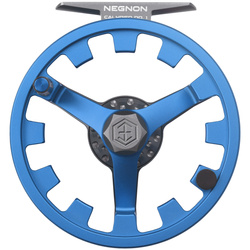
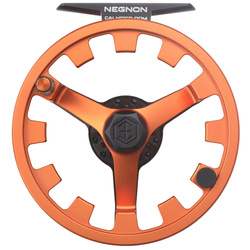
- The reel and backing store the system, help balance the rod and provide controlled resistance when a fish takes line.
Matching numbers are only a starting point. Two lines marked with the same nominal weight may distribute their mass differently, and two rods carrying the same line rating may bend and recover in different ways. Manufacturer recommendations, the actual head profile and the flies being cast are more informative than a number considered in isolation.
Where to start as a new fly angler
For general trout fishing on a medium-sized river, a single-handed rod around 9 ft and rated for a #5 line is a common starting point because it can cover dry flies, wet flies, moderately weighted nymphs and smaller streamers. It is not universal. A tight, overgrown stream may favour a shorter and lighter rod, European nymphing usually benefits from a longer specialist design, and pike, saltwater or heavy stillwater work needs a line and rod able to turn over larger flies.
A first outfit should load at the distances that will actually be fished. Maximum casting distance is less useful than repeatable turnover, accurate placement and the ability to control line after it lands. A well-matched line often makes a greater practical difference than moving to a more expensive rod that does not suit the casting task.
Choose a method and water type
Dry flies and the surface film
Dry-fly fishing depends on presentation, line control and a leader that turns over without driving the fly into the water. The rod should make the intended casting distance comfortable, while the line taper and leader determine how energy reaches the fly. If fish are feeding in or immediately below the surface film, an emerger may be a more accurate choice than a high-floating dry.
Nymphing
Indicator nymphing, short-line methods and European nymphing do not place identical demands on an outfit. A conventional nymph rig may require the rod to lift fly line, an indicator and weighted flies. European nymphing relies more heavily on reach, sensitivity and control of a thin leader or specialist line. In both cases, use only enough weight to reach the intended level and make sure the rod, leader and casting movement can handle the complete rig safely.
Stillwaters
On a lake, depth is controlled by line density, leader length, fly weight, countdown and retrieve. Anglers may move between floating, intermediate and sinking lines as conditions change. A reel with compatible spare spools or a cassette system can make those changes quicker, while a rod intended for longer heads, wind and repeated casting reduces unnecessary effort.
Streamers, pike, salmon and saltwater
Large or waterlogged streamers demand a line profile able to move their bulk. Pike outfits also require a bite-resistant trace. Salmon, switch and double-handed systems are selected by head mass and length as well as the nominal rod rating. Saltwater equipment must suit the fly, wind and target species, and should be rinsed with fresh water after exposure to salt. Local rules determine permitted hooks, seasons and methods in every fishery.
Wading clothing is a working system
Waders keep external water out; layers worn underneath manage insulation and moisture produced by the body. Breathable fabric cannot move vapour effectively while submerged in water, and a neoprene stockingfoot does not breathe like the laminate above it. Damp socks therefore do not automatically prove that a wader is leaking.
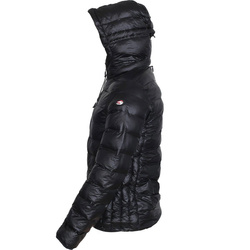
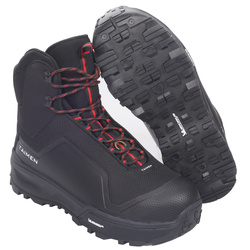
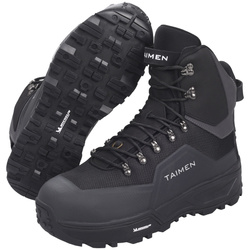
Wading boots provide support, drainage and traction suited to the riverbed. Sole material, studs and local restrictions should be considered together. A wading jacket needs a short functional cut, an adjustable hood and pocket access that remains useful above the waterline. Clothing does not replace safe route choice, a wading belt or an understanding of current and depth.
Organising equipment on the water
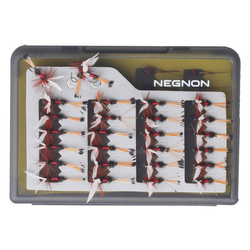
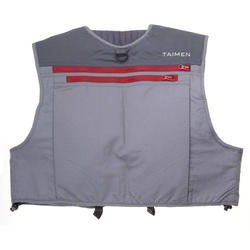
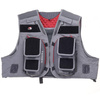
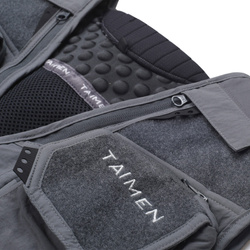
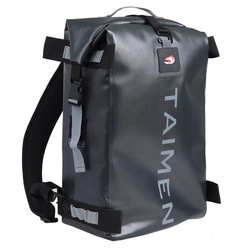
A fly-fishing vest, chest pack or fishing bag should keep frequently used tools accessible without placing excessive weight on one part of the body. Fly boxes organise patterns by fishing method, water or size, while retractors, forceps, nippers and drying accessories keep routine tasks controlled. A landing net should match the expected fish and the way it is carried.
Polarised sunglasses reduce reflected glare and provide important eye protection from hooks. Lens colour affects visual comfort in different light, but polarisation does not make deep or coloured water transparent. It helps the angler use the available view more effectively.
A practical buying sequence
- Define the main water, method and largest fly that will be used regularly.
- Select a fly line with the density and head profile needed for that presentation.
- Choose a rod that works with the actual line and at realistic fishing distances.
- Fit a reel with enough capacity for the line and backing and enough mass to balance the rod comfortably.
- Match leader, tippet and any bite protection to the fly, method and target species.
- Add wading clothing, carrying equipment and tools according to real conditions rather than treating every accessory as compulsory.
Frequently asked questions
Is fly fishing only for rivers?
No. Fly tackle is used on streams, large rivers, lakes, reservoirs and saltwater. The line density, retrieve, leader and fly change with the water and target species.
Must the rod and reel carry exactly the same line-weight number?
The reel should have suitable capacity and should balance the outfit. Its printed size is a manufacturer guide, not an AFFTA rating. Check the actual fly line, backing allowance and reel mass rather than matching numbers without context.
Does a beginner need waders?
Not always. Bank fishing, platforms and boats can provide access without entering the water. Where wading is useful, suitable waders and boots improve access, but safe depth, current and footing remain the primary limits.
This guide describes stable principles used to match fly-fishing equipment. Exact line capacities, materials, dimensions and intended uses remain in the individual product specifications.